
How to Choose the Right Solar System for Your Home or Business in Kenya
Choosing a solar system is an important investment. With different solar panels, batteries, inverters, capacities, and system configurations available in the Kenyan market, it can be difficult to know exactly what your home or business needs.
A solar system should not simply be selected based on the number of panels or the advertised price. The right solution depends on how much energy you use, when you use it, which appliances or equipment need to be powered, and whether your priority is reducing electricity costs, achieving energy independence, or having reliable backup power.
At Sunflow Systems Limited, we believe that every solar installation should be designed around the customer. With more than eight years of experience and over 450 completed installations, our Nairobi-based team provides professional solar solutions for homes and businesses across Kenya, from initial assessment and system design to installation and maintenance.
Start With Your Energy Needs
The first step in choosing a solar system is understanding your current energy consumption.
Different properties have very different requirements. A small home with lighting, a television, refrigerator, internet equipment, and a few appliances will have different energy needs from a large home with water pumps, multiple refrigerators, washing machines, and other high-consumption equipment.
Commercial properties can have even more complex requirements. Offices may depend on computers, networking equipment, lighting, and air conditioning, while shops, restaurants, workshops, hotels, schools, and other facilities may have specialised equipment operating for long periods.
Understanding these loads helps determine the appropriate solar capacity.
A professional site assessment can therefore be much more valuable than choosing a system based on a generic package advertised online.
Consider Your Main Reason for Going Solar
Before investing in solar, consider what you want the system to achieve.
Some homeowners primarily want to reduce their dependence on grid electricity. Others are looking for reliable power during outages. Some want a combination of solar generation and battery storage to provide greater energy independence.
Businesses may be interested in reducing operating expenses while maintaining dependable electricity for essential operations.
Your objective influences the design of the system.
For example, a property focused on daytime electricity consumption may require a different configuration from one that needs significant amounts of energy during the evening. A property requiring backup power may also need appropriately sized battery storage.
This is why professional system design is so important.
Choosing the Right Solar Panels
Solar panels are one of the most visible components of a solar installation, but selecting panels is not simply about choosing the highest wattage available.
Important considerations include panel efficiency, available installation space, expected energy production, product quality, durability, warranty conditions, and compatibility with the rest of the system.
The available roof or ground space also matters. Two properties with similar energy requirements may require different panel arrangements depending on the amount and configuration of available installation space.
A professional installer can assess the site and recommend an appropriate panel configuration.
At Sunflow Systems Limited, solar panel solutions are selected as part of a complete system rather than treated as an isolated product.
Understanding Solar Inverters
The inverter is another critical component of a solar power system.
Solar panels generate electricity in direct current (DC), while most household and commercial electrical equipment operates using alternating current (AC). The inverter manages this conversion and, depending on the system configuration, can also manage the flow of electricity between solar generation, batteries, the grid, and connected loads.
The appropriate inverter depends on factors such as system capacity, appliance requirements, battery configuration, and the type of solar installation.
Choosing an inverter that is properly matched to the system is essential for reliable operation and efficient energy management.
Should You Add Battery Storage?
Batteries can significantly expand the usefulness of a solar system.
Solar panels generate electricity when there is sufficient sunlight. However, many homes and businesses also consume substantial amounts of electricity after sunset. Battery storage allows excess energy generated during suitable periods to be stored and used later.
Batteries can also provide backup electricity during grid interruptions, depending on the system design and available capacity.
The right battery capacity depends on how much energy you want to store, the loads that need backup, the expected duration of backup, and your overall energy requirements.
For this reason, simply purchasing the largest battery available is not necessarily the best approach. Proper sizing helps balance performance, reliability, and investment.
Solar for Homes and Businesses
Residential solar systems can be designed to support everyday household needs, including lighting, refrigeration, entertainment, communications, and selected appliances.
Commercial solar systems often require a more detailed assessment because electricity consumption can vary significantly throughout the day.
A business may have essential equipment that cannot afford extended interruptions. In such cases, solar generation can be combined with battery storage and other backup technologies to create a more resilient energy solution.
Sunflow Systems Limited provides both residential solar and commercial solar solutions, allowing the system design to reflect the property’s actual requirements.
Don’t Overlook Other Solar Applications
Solar energy is not limited to generating electricity for household appliances and business equipment.
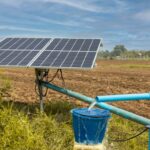
For farms, homes, institutions, and commercial properties that require water, solar water pumping can provide an efficient alternative energy solution for pumping applications.
Solar water heating is another practical application. Homes, hotels, institutions, and other facilities with significant hot-water requirements can use solar energy to reduce reliance on conventional electricity for water heating.
For outdoor areas, pathways, compounds, security areas, and other spaces, solar lighting can provide practical illumination while making use of renewable energy.
These applications demonstrate why a proper energy assessment should consider the complete needs of a property rather than focusing on one type of equipment.
Installation Is Just as Important as Equipment
Buying quality solar equipment is only part of the process. Correct installation plays a major role in the performance and reliability of the finished system.
Panels need to be appropriately positioned and securely installed. Electrical connections must be properly configured, while inverters, batteries, protection equipment, and other components need to work together as intended.
A professional installation also includes testing and commissioning to ensure that the system operates correctly.
At Sunflow Systems Limited, certified engineers and technicians handle the complete installation process, helping customers move from the initial assessment to a functioning solar energy system.
Plan for Maintenance and Future Growth
Solar systems are designed for long-term use, making maintenance an important consideration.
Routine inspections can help identify potential issues early, while appropriate maintenance helps preserve system performance and reliability. It is also worth considering whether your energy requirements may increase in the future.
For example, a homeowner may eventually add additional appliances, while a growing business may introduce new equipment or expand its premises.
A good solar system design should therefore consider not only today’s requirements but also reasonable future needs where possible.
Make the Decision With Professional Guidance
The best solar system is not necessarily the biggest or the cheapest. It is the system that is appropriately designed for your energy consumption, property, budget, and long-term objectives.
From solar panels and batteries to inverters, solar lighting and complete power backup systems, every component should work together as part of a carefully planned solution.
Sunflow Systems Limited provides professional solar solutions backed by over eight years of experience and more than 450 completed installations. Our team supports customers through site assessment, system design, installation, and ongoing maintenance.
If you are considering solar for your home, business, farm, or institution, start with an assessment of your energy needs rather than guessing what system you require.
Speak with Sunflow Systems Limited today and let our experienced team help you find a solar solution designed around your energy needs.