Solar vs Generator Kenya: Understanding Your Backup Power Options
Power interruptions can turn a normal day into a frustrating one. A home may lose lighting, a business may pause operations, or a school may struggle to keep digital equipment running. That is why Solar vs generator Kenya has become an important conversation for people looking for dependable backup power. At Sunflow Systems Limited, we help homes and businesses understand their energy needs before choosing a backup solution.
Generators have been a familiar choice for years. They can produce electricity when the grid goes down. However, they depend on fuel, require regular maintenance, and create noise during operation.
Solar power takes a different approach. A solar system can generate electricity from sunlight and store energy in batteries for later use. Therefore, it can provide backup power without depending on fuel deliveries.
The right option depends on several factors. Your energy requirements, budget, backup duration, available space, and daily usage all matter.
Solar vs Generator Kenya: How Do the Two Backup Options Work?
Before comparing costs and benefits, it helps to understand how each system works.
A generator uses an engine to convert fuel into electrical energy. When the power goes off, the generator starts manually or automatically, depending on the setup. It then supplies electricity to selected appliances or the entire property.
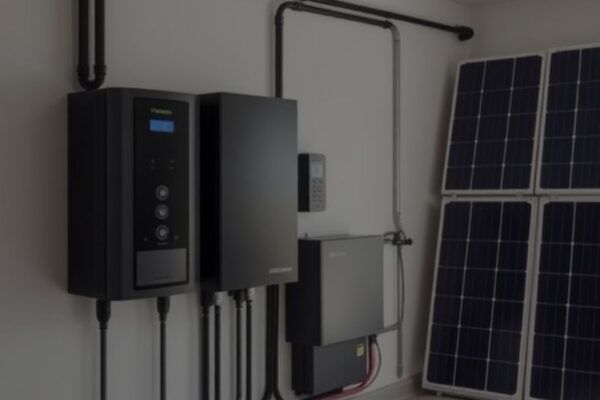
Solar backup systems work differently. Solar panels capture sunlight and convert it into electrical energy. An inverter manages that electricity, while batteries can store excess energy for use when sunlight is unavailable.
Consequently, a solar system can provide daytime energy and battery backup after sunset or during a power outage.
Generators can operate at any time as long as fuel is available. Solar systems, meanwhile, depend on sunlight for generation but can use stored battery energy when the sun is not shining.
Fun fact: Solar panels do not need direct, blazing sunshine every minute to produce electricity. They can still generate power under cloudy conditions, although production is generally lower.
Solar vs Generator Kenya: Comparing Fuel, Maintenance and Running Costs
Running costs can make a major difference over the life of a backup power system.
Generators need fuel. The amount consumed depends on the generator’s size, load, efficiency, and operating hours. Therefore, frequent power outages can increase fuel expenses quickly.
There are also maintenance requirements. Generators contain engines and moving mechanical components. Oil changes, filters, spark plugs, batteries, and other components may require regular attention.
Solar systems have fewer moving parts. Once installed, the main maintenance tasks can include cleaning panels, checking connections, inspecting batteries, and monitoring system performance.
However, solar is not maintenance-free. Batteries also have a useful operating life and may eventually need replacement, depending on the battery technology, usage, and operating conditions.
The initial investment can also differ. A generator may have a lower entry price for some applications. However, fuel and maintenance costs continue throughout its working life.
Solar usually requires a larger upfront investment. In return, the system can generate electricity from sunlight without requiring daily fuel purchases.
Solar and Generator Backup Power: What Should You Consider?
There is no single backup solution that fits every property.
Instead, we recommend starting with the basics. What equipment needs to remain operational during an outage? How long should the backup last? How often do power interruptions occur?
For a small home, the priority might be lights, Wi-Fi, a television, phones, and a refrigerator.
A larger home may need additional circuits for water pumps, security systems, computers, and selected kitchen appliances.
Businesses have different priorities. A shop may need point-of-sale systems and security equipment. An office may require computers, servers, internet equipment, and lighting.
Meanwhile, a hotel, school, or healthcare facility can have much larger and more complex energy requirements.
Once we understand the load, we can consider the most suitable backup configuration.
Solar Backup Power for Homes
A home backup system should focus on convenience and essential loads.
Nobody wants to lose internet access in the middle of an important online meeting. Similarly, a refrigerator going without power for an extended period can create unnecessary problems.
Solar battery backup can keep selected appliances operating when the grid fails.
The advantage is particularly useful for people who experience regular power interruptions. Instead of starting a fuel-powered machine every time the electricity goes off, a battery-based system can switch to backup power automatically when properly configured.
Furthermore, solar panels can recharge the batteries during the day.
That creates a cycle of generation and storage. During sunny hours, the system produces energy. Later, stored energy can support selected loads.
Fun fact: Modern lithium batteries can store significantly more usable energy in a smaller space than many older battery technologies. That makes them increasingly useful for residential energy storage.
Generator Backup for Homes and Businesses
Generators remain useful in many situations.
Their biggest advantage is that they can provide power for extended periods as long as fuel is available. This can make them practical for heavy loads or long outages.
For businesses, that capability can be important.
A supermarket, workshop, construction site, or large commercial facility may have equipment that requires substantial power. Depending on the load, a generator may provide the capacity needed for such applications.
However, operating a generator comes with responsibilities.
Fuel must be stored safely. The engine needs maintenance. Exhaust gases must be managed properly, and the generator should be installed in an appropriate location.
Noise can also be an issue, particularly in residential areas, offices, schools, and hospitality facilities.
Therefore, the generator’s practical requirements should be considered alongside its electrical capacity.
Solar Battery Storage: The Missing Piece in Backup Power
One of the biggest developments in modern solar energy is battery storage.
Solar panels generate electricity when sunlight is available. Batteries allow some of that energy to be stored for later use.
This means a solar system does not have to stop being useful when the sun goes down.
Battery size matters, though. A small battery may power a few essential devices for several hours. A larger battery can support more equipment for longer periods.
We therefore look at the customer’s expected backup load before recommending battery capacity.
Battery chemistry also matters. Lithium-ion batteries, particularly lithium iron phosphate batteries, have become popular for many modern energy storage applications because of their characteristics, including energy density and cycle performance.
Still, the best battery depends on the specific system and application.
Solar vs Generator Kenya:Environmental Considerations of Solar and Generators
Energy choices also have environmental implications.
Generators burn fossil fuels while operating. As a result, they produce exhaust emissions and contribute to local air pollution.
Solar photovoltaic systems generate electricity without combustion during operation.
That does not mean solar has zero environmental impact. Manufacturing, transportation, installation, and eventual disposal all involve resources.
Nevertheless, solar can provide electricity without producing exhaust emissions at the point of use.
For homes and businesses interested in reducing their dependence on fossil-fuel-based backup power, solar can form part of a broader clean-energy strategy.
Fun fact: Solar panels can continue producing electricity for many years. Their performance gradually declines over time, rather than suddenly stopping after a short lifespan.
Solar vs Generator Kenya:Noise and Convenience Matter Too
Sometimes the smallest differences make the biggest difference.
A generator produces mechanical noise while running. In a quiet residential neighborhood, that sound can become noticeable very quickly.
Solar panels and batteries operate silently.
That makes battery-based backup particularly attractive for homes, offices, clinics, schools, hotels, and other locations where noise matters.
There is also the convenience factor.
With a properly configured solar battery system, backup power can switch on automatically. You do not need to walk outside, start an engine, or check the fuel tank whenever there is an outage.
As a result, solar can offer a more seamless backup experience for everyday electricity needs.
Can Solar and Generators Work Together?
Interestingly, choosing solar does not always mean removing a generator.
Some properties can use a hybrid approach.
A solar system can handle everyday energy needs and provide battery backup. A generator can remain available for extended outages or unusually high loads.
This arrangement can provide an additional layer of energy resilience.
For example, a business may use solar and batteries for normal backup requirements while keeping a generator for exceptional situations.
The system design should determine when each source operates.
This approach can also reduce generator running hours. Consequently, fuel consumption and engine wear may decrease.
Choosing the Right Backup System With Sunflow Systems Limited
At Sunflow Systems Limited, we do not believe in recommending equipment simply because it is popular.
We start by understanding how you use electricity.
Our certified engineers and technicians can assess your energy requirements, available installation space, existing electrical system, and backup expectations.
From there, we can design a suitable solar solution.
Our work covers the full solar journey. We handle site assessment, system design, professional installation, and long-term maintenance.
With more than eight years of experience and over 450 completed installations, we have helped homes and businesses across Kenya move towards greater energy independence.
Most importantly, we focus on practical solutions that make sense for the customer.
Making a Practical Backup Power Decision
Solar vs generator Kenya is not simply a question of choosing one technology over another.
It is about understanding how each option fits your energy needs.
Generators offer fuel-powered electricity and can support substantial loads for extended periods. Solar systems offer renewable generation, battery storage, quiet operation, and reduced reliance on fuel.
Your ideal solution may even combine both technologies.
Therefore, start with your actual energy requirements. Identify essential appliances, estimate backup duration, consider running costs, and think about future energy needs.
Once those factors are clear, choosing the right system becomes much easier.
At Sunflow Systems Limited, we help customers turn that information into a practical energy plan. Whether you need residential solar backup, commercial energy storage, or a larger renewable energy system, our team can guide the process from assessment to installation.
Ready to Explore Your Backup Power Options?
Reliable electricity should not depend on guesswork. We can assess your needs and help you explore a suitable solar, battery, or hybrid backup solution.
Sunflow Systems Limited
Visit Us: Nairobi, Kenya
Call / Message:
+254 731 136 196
+254 727 721 835
Email:
info@sunflow.co.ke